


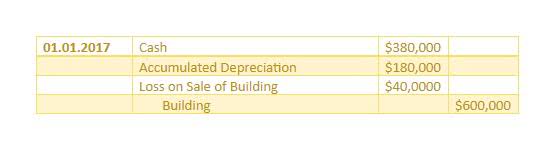
The general journal is the initial point of entry for recording financial transactions, serving as the chronological diary of an organization’s financial activities. This arrangement ensures that transactions are documented as they occur, maintaining an organized and sequential record. Each entry in accounting ledger vs journal the journal provides a detailed narrative, including the date, accounts affected, and a brief description of the transaction. This level of detail aids in tracking the origins of financial data and supports accuracy in subsequent accounting processes.
Unit 3: Production And Cost Analysis

The use of journals has been on a steep decline with the increasing use of automated accounting systems. Most accounting systems allow the user to enter information directly into the general ledger, skipping the need to make journal entries. So, the need for the journal may have been becoming increasingly obsolete in the computerized environment, but it still holds great importance in bookkeeping. Sales Forecasting Accountants use this exact process to keep clear and correct financial records. A journal and a ledger are two fundamental components of accounting that serve different purposes in recording financial transactions.

Cash Payments Journal
Explore this guide to general journals versus general ledgers to better understand what they do and their main differences. General ledgers and general journals are important financial tools for any business. The general ledger entries provide a summary of all activity that is cash flow recorded in the general journal. Entries in the general journal serve as the basis for all general ledger activity, providing the detail behind the general ledger balances.
Manner and sequence in which transactions are recorded
- These are the three reports that businesses must pay most attention to.
- For example, one accountant might name an account Notes Payable and another might call it Loans Payable.
- The professional level of students receives special placement training through a bootcamp programme.
- The subsidiary ledger comes first since the balances of a general ledger are posted after entries are made in the subledger accounts.
A journal entry is the recording of a business transaction in the journal. A journal entry shows all the effects of a business transaction as expressed in debit(s) and credit(s) and may include an explanation of the transaction. A transaction is entered in a journal before it is entered in ledger accounts.
Don’t miss out to balance the records
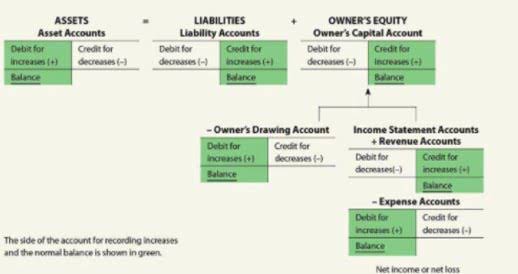
The format of a ledger account is ‘T’ shaped having two sides debit and credit. Debits are always posted on the left side of the t account while credits are always posted on the right side. This means that accounts with debit balances like assets will always increase when another debit is added to the account.
What is a subledger?
- The account balances are calculated by adding the debit and credit columns together.
- It makes sure that every transaction is not just recorded but documented with a complete explanation for future use.
- Journal entries are recorded in chronological order, making it easy to identify the transactions for a given business day, week, or another billing period.
- Companies maintain ledger accounts in every type of balance sheet and the income statement account.
- By contrast, entries in a ledger might group like transactions into specific accounts to assess the data for internal financial and accounting purposes.
It is used to reconcile accounts and is transferred to other accounting records, such as the general ledger. The journal includes information like the transaction date, the accounts affected, and the dollar amounts. Most journal entries are composed in a double-entry bookkeeping method. The company’s bookkeeper records transactions throughout the year by posting debits and credits to these accounts.
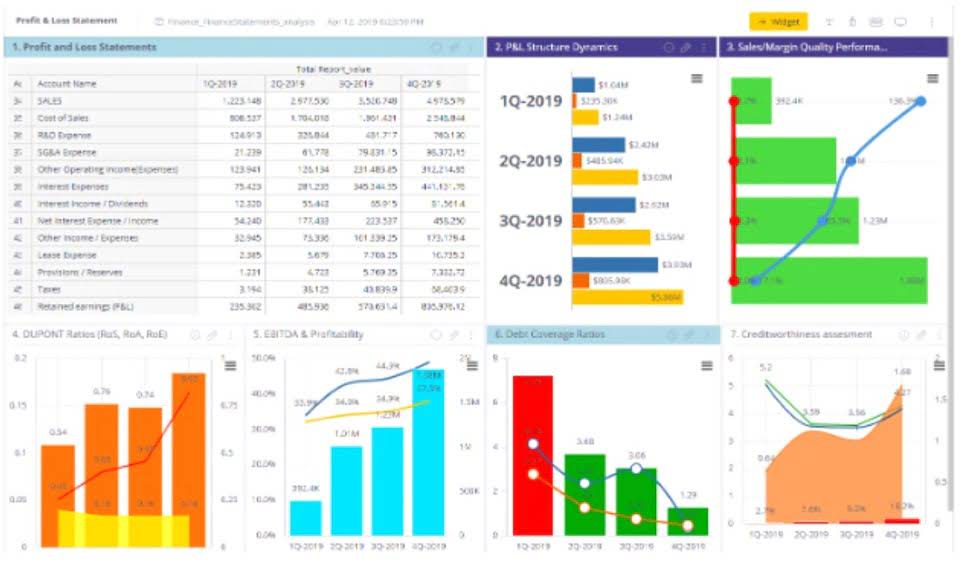
As these transactions move into the general ledger, they are transformed from raw data into a coherent financial story that reflects the organization’s economic reality. Today, most organizations use accounting software to record transactions in general ledgers and journals, which has dramatically streamlined these basic record-keeping activities. In fact, most accounting software now maintains a central repository where companies can log both ledger and journal entries simultaneously. As you can see, all of the journal entries are posted to their respective T-accounts. The debits for each transaction are posted on the left side while the credits are posted on the right side.